AGP Executive Report
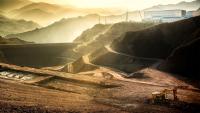
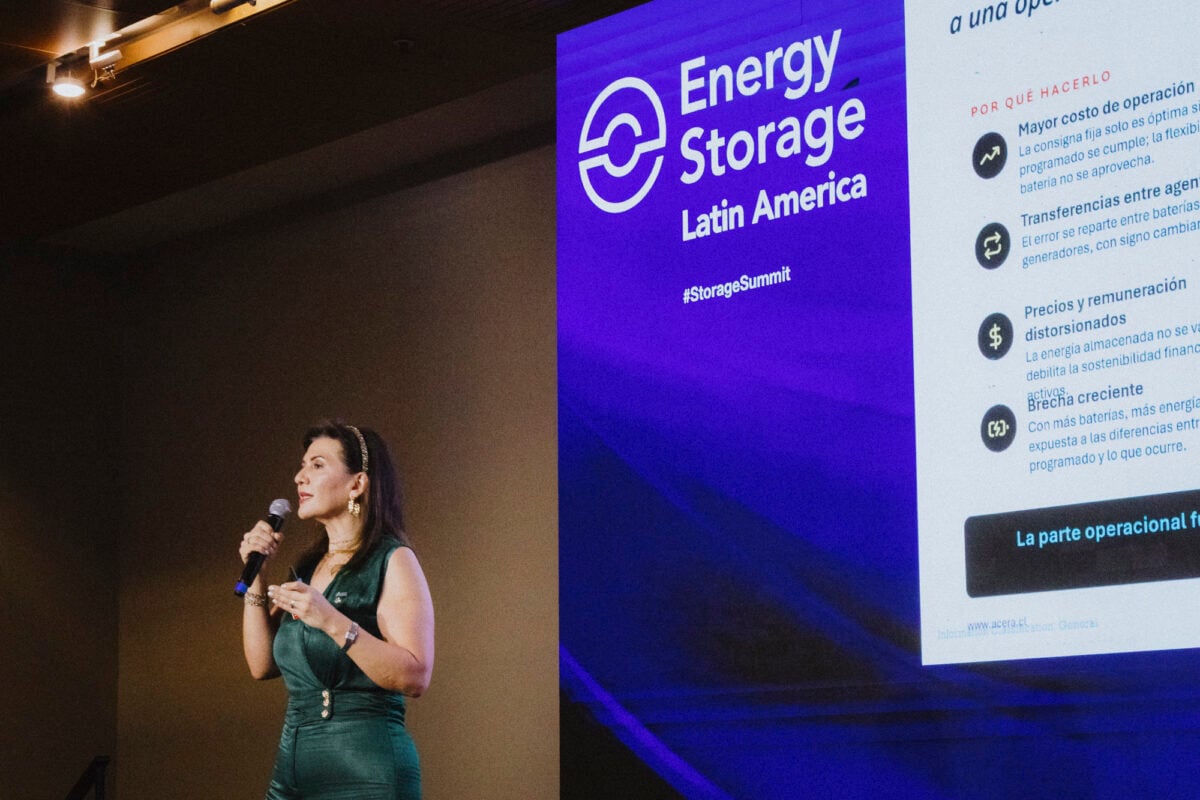
Last update: 9 hours agoEnergy Storage: Chile’s battery-storage buildout is beginning to reduce renewable-energy curtailment, and projects under construction could nearly triple installed capacity. Most development is concentrated in the north. Mining and Coastlines: Halo Minerals won a permit for dredging historic copper tailings at Chañaral, but the approval covers only mining works; other permits and a final investment decision are still pending. Environmental Rights: Chile’s proposed 2027 budget cuts funding for the Escazú Agreement, leaving it without dedicated financing. Climate and Wildlife: El Niño-driven rains are battering parts of Latin America, including Chile, while the endangered huillín otter faces mounting pressure across Patagonia’s rivers, lakes and wetlands.
Note: AI summary from news headlines; neutral sources weighted more to help reduce bias in the result. Feedback is welcome. Please let us know if you have any comments or suggestions about the AGP Executive Report.



 Perspectify News